









stormuring
Introduction
We live in an age of compounding complexity. On one side, businesses are under relentless pressure to innovate, adapt to shifting markets, and deliver results faster than ever. On the other, our planet is experiencing a new era of climate stress, with storms, floods, and extreme weather events disrupting lives and economies on an unprecedented scale.
At first glance, these challenges appear to belong to separate worlds — the boardroom versus the climate lab. Yet, a single emerging concept brings them together: Stormuring.
Stormuring has been described in two distinct but surprisingly complementary ways:
- As a structured innovation method that enhances brainstorming by adding clarity, discipline, and measurable outcomes.
- As a climate resilience concept, representing the stacking or repeating of severe weather events that strain communities and infrastructure.
What unites both interpretations is the central idea of navigating chaos with structure. Stormuring is not about avoiding complexity — it’s about facing it head-on with frameworks that convert uncertainty into actionable progress.
This article explores Stormuring in detail, from its roots in problem-solving methodology to its role in climate adaptation, and shows why it may be one of the most important concepts for thriving in the 21st century.
The Dual Identity of Stormuring
Most concepts live comfortably in a single discipline. Stormuring is unusual because it has two major identities depending on the context — and both are gaining traction.
1. Stormuring in Business and Innovation
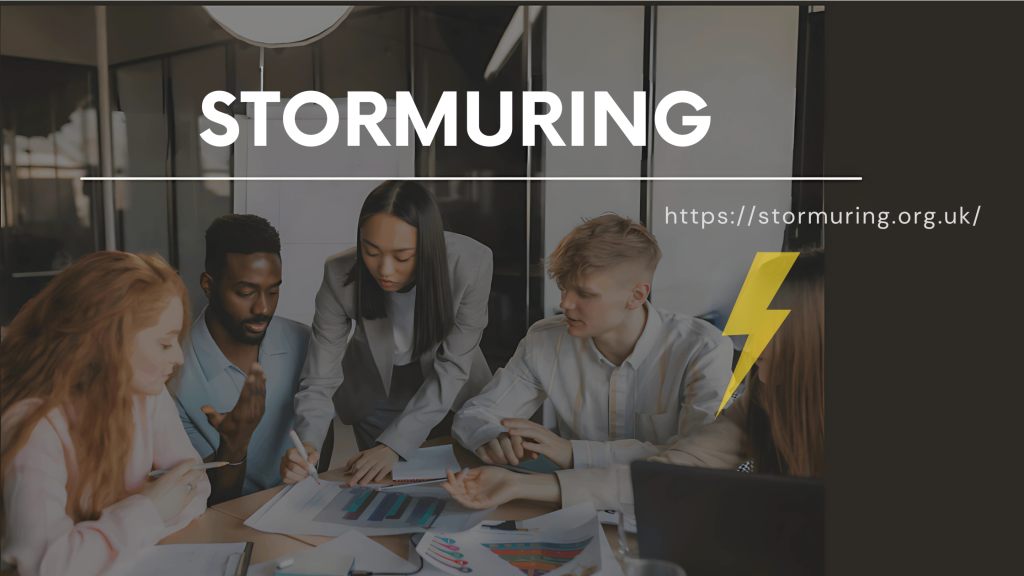
In business, Stormuring is a structured problem-solving method designed to correct the flaws of traditional brainstorming. Too often, brainstorming sessions generate piles of sticky notes but little follow-through. Stormuring introduces a disciplined process: defining problems precisely, generating ideas inclusively, evaluating them against clear criteria, and rapidly prototyping solutions.
It is problem-solving for a fast-moving, evidence-driven world, where the goal is not just creativity, but creativity that scales into real-world impact.
2. Stormuring in Climate and Environmental Science
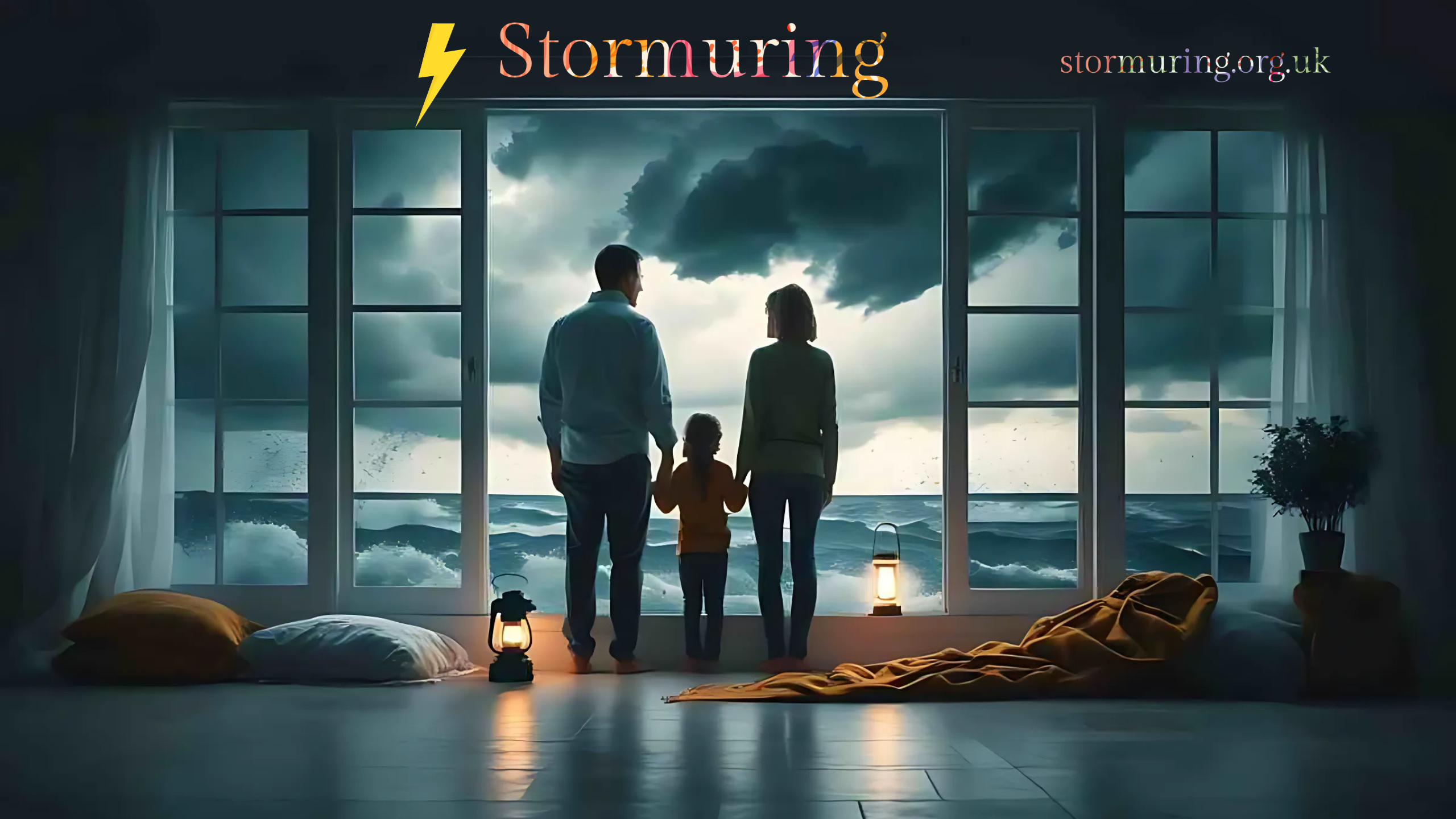
In environmental discourse, Stormuring refers to the enduring and compounding impact of storms. Instead of seeing each storm as an isolated event, Stormuring captures the reality that communities often face back-to-back disruptions before full recovery is possible.
A city may be hit by a hurricane, begin rebuilding, and then suffer another flood within months. Infrastructure that was weakened in the first event may collapse in the second. This cumulative strain is what experts now call Stormuring — a reminder that resilience requires continuous adaptation, not one-time fixes.
Why These Two Views Belong Together
At first, these interpretations might feel unrelated. But notice the common DNA:
- Chaos → Order: both forms of Stormuring transform messy, disruptive realities into structured responses.
- Iteration → Resilience: whether in prototyping or disaster recovery, Stormuring emphasizes learning, adapting, and improving over time.
- Collaboration → Inclusivity: both rely on engaging diverse perspectives to find sustainable solutions.
In this sense, Stormuring is not two concepts — it’s a philosophy of structured resilience, applied to different arenas of human challenge.
Stormuring as a Structured Problem-Solving Method
Why Traditional Brainstorming Falls Short
Brainstorming has been the go-to tool for decades in classrooms, workshops, and corporate innovation labs. But while the idea is appealing — free thinking, sticky notes everywhere, “no bad ideas” — the reality often disappoints.
Research by Yale University (2010) found that groups brainstorming together actually generate fewer quality ideas than individuals working alone, largely due to:
- Groupthink: people converge too quickly around dominant voices.
- Social pressure: quieter participants hesitate to share unconventional ideas.
- Lack of structure: ideas pile up without clear evaluation or follow-through.
This is where Stormuring distinguishes itself. It’s not about “more ideas,” but about better pathways from idea to action.
The Six-Step Framework of Stormuring
At its heart, Stormuring provides a repeatable six-step system. Unlike brainstorming, where the process often ends with ideation, Stormuring continues through testing, iteration, and implementation.
Step 1: Define the Problem Clearly
- Every session begins with sharp problem framing.
- Instead of vague goals (“How do we improve customer experience?”), Stormuring pushes for precision (“How do we reduce customer service response time from 24 hours to 2 hours without hiring extra staff?”).
- This clarity anchors the entire session and prevents tangents.
Step 2: Generate Ideas Inclusively
- Participants are encouraged to defer judgment during ideation.
- Multiple techniques — silent writing, mind mapping, role-playing — ensure that all voices are heard.
- The aim isn’t just volume, but diversity of ideas.
Step 3: Evaluate and Prioritize Ideas
- Using criteria like feasibility, cost, potential impact, and alignment with goals.
- Tools such as Impact/Effort Matrices or Weighted Scoring Models are often applied.
- This step prevents teams from chasing shiny but impractical solutions.
Step 4: Prototype and Experiment
- Selected ideas are turned into rapid prototypes — from sketches to clickable demos.
- The goal is to test assumptions quickly, before investing heavily.
- For example, a retail company might create a mock-up of a new checkout app rather than building it outright.
Step 5: Implement in Phases
- Once validated, ideas move into real-world deployment.
- Stormuring emphasizes small-scale rollouts first — pilot projects in a limited market, beta versions of software, etc.
- Feedback from these pilots informs broader execution.
Step 6: Review, Iterate, and Scale
- Stormuring insists on a feedback loop.
- Teams ask: What worked? What failed? What can we refine?
- This final step ensures solutions evolve, rather than stagnate.
Case Studies: Stormuring in Action
1. Tech Startup — Reducing Customer Churn
A SaaS startup struggled with high customer churn rates (20% per year).
- Using Stormuring, they defined the problem narrowly: “How do we increase retention among small business customers in their first 90 days?”
- After structured ideation and prioritization, they tested a prototype of an automated onboarding tool.
- Within 6 months, churn dropped by 30%, saving millions in projected revenue.
2. Education — Engaging Students in Problem-Solving
A high school in Finland piloted Stormuring workshops in its STEM curriculum.
- Instead of rote memorization, students tackled real-world problems (like designing water-saving solutions for the campus).
- Teachers reported a 40% increase in student engagement and measurable improvement in collaboration skills.
3. Corporate Innovation — Healthcare Solutions
A global healthcare company applied Stormuring to improve patient adherence to prescriptions.
- Traditional brainstorming had led to surface-level ideas (“send reminders”).
- Stormuring pushed deeper, resulting in a multi-phase pilot using gamification and personalized support apps.
- Patient adherence improved by 18% in trial groups.
Why Businesses Are Adopting Stormuring
- Efficiency: avoids wasting time on unfocused brainstorming.
- Inclusivity: ensures participation across levels, from interns to executives.
- Scalability: repeatable framework across teams, departments, and industries.
- Results-driven: focuses not just on ideas, but on execution and measurable outcomes.
As one innovation consultant put it:
“Brainstorming gives you sparks. Stormuring gives you fire you can actually cook with.”
Stormuring in Climate and Environmental Science
From “Storm” + “Enduring”: The Origin of the Term
The climate-related definition of Stormuring comes from blending the words storm and enduring. Unlike a single hurricane, flood, or blizzard, Stormuring describes repeated or compounding severe weather events that overwhelm societies before recovery is complete.
For example:
- A coastal town may be struck by a hurricane, begin repairs, and then face another tropical storm within weeks.
- Farmland may endure flash floods one season and prolonged droughts the next, stressing food systems continuously.
This enduring cycle of storm after storm is the essence of Stormuring. It reframes climate disruptions not as isolated disasters, but as persistent systemic challenges.
Key Drivers Behind Stormuring
1. Climate Change Acceleration
- Rising global temperatures increase atmospheric moisture, fueling heavier rainfall.
- Warmer oceans intensify hurricanes, cyclones, and typhoons.
- Scientific consensus suggests a 40% rise in extreme rainfall events by mid-century if emissions continue at current rates.
2. Urbanization and Land Use
- Rapid urban sprawl replaces forests and wetlands with concrete, reducing natural water absorption.
- Cities experience urban heat islands, which magnify storm intensity and heat waves.
- Poorly designed drainage systems can turn ordinary storms into destructive floods.
3. Infrastructure Vulnerability
- Aging bridges, roads, and power grids are unfit for repeated stress.
- For example, Hurricane Sandy (2012) exposed weaknesses in New York’s power infrastructure, causing blackouts for millions.
- Each successive storm compounds existing damage, making recovery harder.
4. Gaps in Preparedness and Governance
- Some regions lack early warning systems or emergency coordination.
- Others have plans on paper, but fail to mobilize resources in time.
- Without strong preparedness, Stormuring converts “manageable” disasters into humanitarian crises.
Human and Environmental Impacts of Stormuring
Human Costs
- Displacement: Millions are forced into temporary shelters or permanent migration.
- Health risks: Waterborne diseases rise after floods; respiratory illnesses worsen after storms.
- Mental health: Repeated trauma increases anxiety, depression, and PTSD in affected populations.
Economic Costs
- Property damage: The U.S. alone averaged $165 billion in climate disaster damages per year (2017–2022), much linked to Stormuring-like patterns.
- Insurance strain: Companies are raising premiums or withdrawing from high-risk markets (e.g., California wildfires, Florida hurricanes).
- Productivity loss: Supply chains collapse when storms repeatedly hit ports, roads, or factories.
Environmental Costs
- Ecosystem collapse: Wetlands, coral reefs, and forests fail to recover before the next event.
- Pollution spread: Floodwaters carry sewage, chemicals, and microplastics into rivers and oceans.
- Biodiversity loss: Species with limited ranges (amphibians, pollinators) may not survive recurring habitat shocks.
Strategies to Mitigate and Adapt to Stormuring
1. Strengthening Infrastructure
- Resilient construction: Elevated buildings, storm-proof materials, and modular housing.
- Green infrastructure: Permeable pavements, bioswales, and rain gardens that absorb water.
- Power grid resilience: Microgrids and distributed solar reduce dependence on vulnerable central systems.
2. Community Preparedness
- Early warning systems: Radar, satellite tracking, and AI-based weather prediction can save thousands of lives.
- Community training: Evacuation drills and resilience education help families respond quickly.
- Mutual aid networks: Neighbors organizing resources can often mobilize faster than governments.
3. Ecosystem-Based Solutions
- Mangroves & wetlands: Absorb storm surges and reduce flooding.
- Reforestation: Improves soil stability, reducing landslide risk after heavy rains.
- Urban greening: Parks, rooftops, and trees regulate temperature and water flow.
4. Policy and Governance
- Zoning reforms: Restricting construction in high-risk floodplains.
- Insurance reforms: Encouraging resilience by rewarding risk-reducing construction.
- Global cooperation: Climate change and Stormuring do not respect borders. Shared resources, technology, and humanitarian aid are essential.
Case Studies of Stormuring in Action
Case 1: Bangladesh – Battling Repeated Floods
Bangladesh faces annual flooding worsened by climate change.
- By restoring wetlands and investing in elevated homes, communities now recover faster.
- Death tolls have fallen dramatically compared to the 1980s, despite stronger storms.
Case 2: Houston, USA – From Harvey to Imelda
Houston suffered Hurricane Harvey (2017), followed by Tropical Storm Imelda (2019).
- Billions in damage revealed systemic vulnerabilities.
- Today, the city invests in green stormwater infrastructure and stricter building codes.
Case 3: Pacific Islands – Rising Seas and Repeated Cyclones
- Small island nations experience Stormuring not just from storms, but from gradual sea-level rise.
- Relocation programs and climate adaptation funds (via the UN) are vital lifelines.
The Bigger Picture
Stormuring in the climate context highlights a fundamental reality: our world is entering an era of cascading disruptions. Communities cannot simply rebuild after each storm — they must design for continuity, building resilience into every aspect of infrastructure, policy, and culture.
In this sense, Stormuring as climate science mirrors Stormuring as business method: both are about creating systems that withstand repeated shocks and adapt continuously.
Benefits, Applications, and Future Potential of Stormuring
Key Benefits of Stormuring
Whether applied to innovation in business or resilience in climate adaptation, Stormuring offers several universal benefits:
1. Structured Creativity
- In business: Ideas don’t just flow — they are organized, tested, and scaled.
- In climate: Disaster responses become systematic rather than ad hoc, improving survival and recovery rates.
2. Inclusivity and Collaboration
- Stormuring emphasizes all voices matter, preventing dominant players from monopolizing outcomes.
- This diversity leads to richer solutions, whether it’s a student brainstorming session or a community preparing for a cyclone.
3. Resilience Through Iteration
- Businesses can prototype, test, and pivot without wasting major resources.
- Communities facing storms learn to adapt, rebuild, and strengthen with each cycle.
- Iteration transforms failure from a setback into a learning tool.
4. Efficiency and Focus
- Clear objectives prevent wasted time, energy, and money.
- Whether it’s reducing customer churn or building flood-proof housing, Stormuring cuts through noise to target root problems.
5. Long-Term Sustainability
- In business: Encourages continuous innovation culture.
- In climate: Embeds sustainability in policy, infrastructure, and daily life.
Applications of Stormuring
1. In Business and Innovation
- Product Development: Turning abstract ideas into tested prototypes.
- Strategic Planning: Aligning diverse teams toward a common vision.
- Organizational Change: Managing transitions (like digital transformation) systematically.
- Education & Training: Teaching critical thinking and collaboration skills.
Example: A logistics company applied Stormuring to reduce delivery delays. Instead of vague “improvement goals,” they prototyped specific interventions (real-time GPS tracking + AI-based traffic rerouting). Delays dropped by 22%.
2. In Climate and Environmental Science
- Urban Resilience: Designing storm-resistant buildings, green rooftops, and flood-absorbing parks.
- Disaster Preparedness: Community workshops on evacuation and first aid.
- Ecosystem Management: Wetland restoration to reduce coastal flooding.
- Policy Innovation: Integrating resilience into land-use laws and insurance frameworks.
Example: The Netherlands applies Stormuring-like principles in its “Room for the River” program, which doesn’t just build higher dikes but redesigns entire landscapes to live with floods instead of fighting them.
3. Bridging Business and Climate — Corporate Sustainability
Stormuring’s dual identity creates a bridge: companies can apply its structured approach to tackle both internal challenges and global responsibilities.
- Corporations can use Stormuring to innovate eco-friendly products.
- Governments can use it to align public-private partnerships around climate resilience.
- Universities can integrate it to prepare future leaders for both innovation and sustainability challenges.
Example: Patagonia (the outdoor apparel brand) applies structured ideation (Stormuring method) to design products with circular economy principles — durable, recyclable, and low-impact. Their resilience strategy mirrors Stormuring’s climate mindset.
Future Potential of Stormuring
1. Business Future: AI + Stormuring
Artificial intelligence will supercharge Stormuring’s structured ideation.
- AI tools can rapidly test prototypes, simulate outcomes, and evaluate risks.
- Example: Retailers using AI-driven Stormuring could test thousands of store layouts digitally before real-world implementation.
2. Climate Future: Smarter Cities
As urban populations grow, Stormuring-inspired frameworks will be central to “climate-smart” cities:
- Buildings that generate power, absorb water, and self-regulate temperatures.
- Grid systems that reroute energy automatically after storm damage.
- Global sharing of resilience data across borders.
3. Education and Skills Development
Stormuring will become a core 21st-century skill.
- Schools will teach it as part of design thinking and sustainability curricula.
- Professionals will adopt it as a standard toolkit in leadership training.
4. Governance and Global Collaboration
- International climate treaties could incorporate Stormuring-style cycles: define the problem, propose solutions, pilot, and iterate globally.
- Countries could share structured frameworks, not just funding, to create resilience playbooks for shared challenges.
Looking Ahead
Stormuring’s two worlds — business innovation and climate resilience — are converging.
Both demand the same mindset:
- Embrace complexity instead of fearing it.
- Organize chaos into structured pathways.
- Iterate continuously toward stronger solutions.
In the 20th century, brainstorming defined creativity.
In the 21st century, Stormuring may define resilience — the capacity not just to imagine, but to survive, adapt, and thrive in an era of relentless change.
Conclusion
Stormuring is more than just a buzzword. It represents a shift in how we approach complexity, whether that complexity comes from market challenges or from nature itself. In business, Stormuring offers a disciplined framework that transforms scattered ideas into real, testable, and scalable solutions. In climate and environmental contexts, it reframes storms not as isolated disasters but as ongoing cycles that require resilience, foresight, and structured responses.
The dual identity of Stormuring makes it uniquely powerful. It equips organizations, governments, educators, and communities with the ability to organize chaos, adapt continuously, and turn disruption into opportunity. Just as brainstorming once shaped how teams generated ideas, Stormuring may become the defining practice for thriving in an era where uncertainty is the only constant.
For companies, adopting Stormuring means a culture of sustainable innovation. For communities, it means survival and strength in the face of storms. For all of us, it signals a future where structure and resilience go hand in hand.
Frequently Asked Questions About Stormuring
What is Stormuring in simple terms?
Stormuring is a structured approach to solving problems and adapting to challenges. In business, it is a disciplined upgrade to brainstorming. In climate science, it refers to enduring cycles of storms and extreme weather that strain systems and communities.
How is Stormuring different from brainstorming?
Brainstorming focuses mainly on generating ideas, often without follow-through. Stormuring adds structure: it defines problems clearly, evaluates ideas, prototypes solutions, implements them in phases, and iterates based on feedback. It ensures creativity translates into results.
Why is Stormuring important for climate resilience?
Stormuring highlights that storms rarely happen in isolation anymore. Instead, they often strike repeatedly, leaving little recovery time. By planning for these cycles, communities can strengthen infrastructure, improve preparedness, and protect both people and ecosystems.
Can Stormuring be applied outside business and climate contexts?
Yes. Stormuring is a mindset of structured resilience. It can be applied in education to teach critical thinking, in healthcare to improve patient outcomes, or in policy-making to design sustainable strategies.
What are the main benefits of using Stormuring?
The key benefits are inclusivity, structured creativity, efficiency, resilience through iteration, and long-term sustainability. It helps organizations and communities cut through chaos and move toward practical, lasting solutions.
What role will technology play in Stormuring’s future?
Artificial intelligence, data analytics, and digital collaboration tools will accelerate Stormuring. AI can simulate solutions, predict storm patterns, and evaluate risks faster, making the Stormuring process more effective in both business and climate planning.
Is Stormuring just a theory or are there real-world applications?
Stormuring is already being applied. Businesses have used it to reduce customer churn, improve innovation, and streamline operations. Cities and nations are adopting Stormuring principles in flood management, resilient construction, and disaster preparedness.