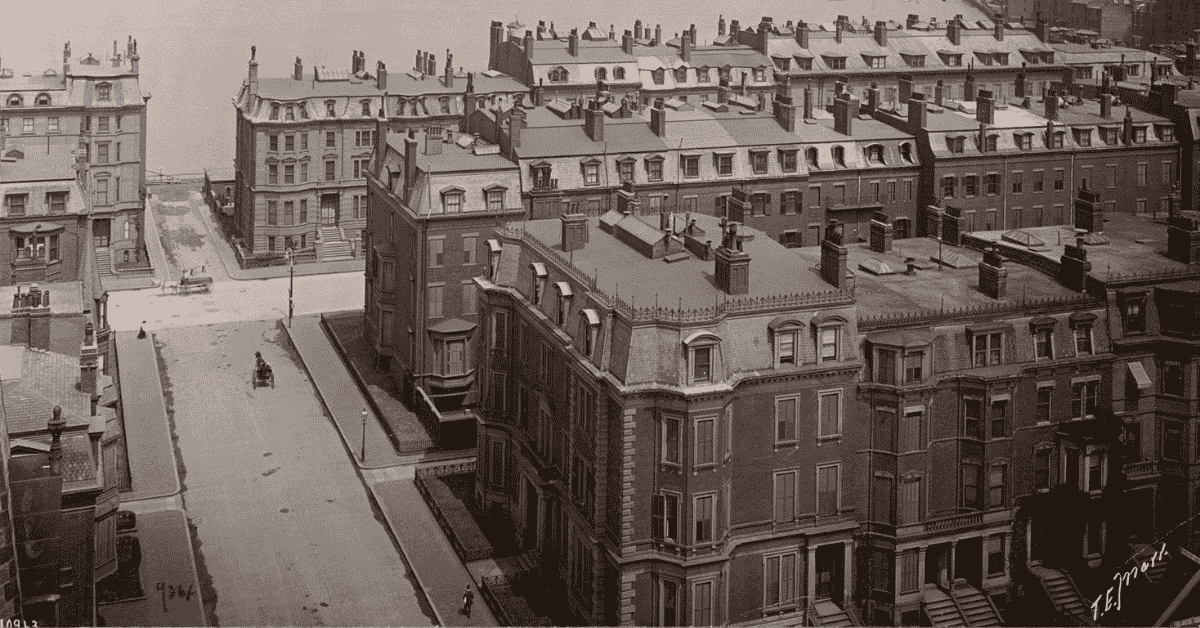
boston brahmin types
Introduction to the Boston Brahmin
The Boston Brahmin is a term used to describe a highly influential and affluent group of families historically known for their dominance in New England. These families, often considered part of the Boston Brahmin elite, have deep-rooted connections to the Boston upper class. Their wealth, education, and social standing have set them apart as the Boston aristocracy.
The Boston Brahmins are regarded as the epitome of old money in America, with generations of influence that have shaped the city’s politics, education, and cultural landscape. Their lives are often marked by exclusive prep schools, Ivy League institutions, and a distinctive Boston Brahmin accent that symbolizes their pedigree.
The Evolution of Boston Brahmins: From Old Money to New Influence
Historical Significance of Boston Brahmins
The term Boston Brahmin dates back to the early days of the New England Brahmin class. These families were instrumental in shaping the cultural and political elite of Boston. Families such as the Cabot family, the Lawrence family, and the Lodge family played key roles in shaping the region’s identity. These families, part of the Boston Brahmin class, were often involved in the most prestigious sectors, including law, finance, and education.
The Boston Brahmin history is intertwined with the rise of the Boston gentry—a group who established the social and cultural norms that still exist in the region today. These families passed down their influence through generations, creating a legacy that continues to shape Boston’s elite society. The rise of the Boston Brahmin elite came with significant contributions to various fields, including the founding of some of the most prestigious universities and cultural institutions in America.
Social Structures and Cultural Markers of the Boston Brahmins
What truly defines the Boston Brahmin families is not just their wealth, but the culture and Boston Brahmin traditions that they adhere to. The Boston Brahmin culture is marked by an emphasis on education, sophistication, and social connections. Their members have traditionally attended prestigious Ivy League schools like Harvard and Yale, and their Boston Brahmin accent is immediately identifiable to anyone familiar with the region’s unique social code.
The Role of Education and Legacy Institutions
The education system within Boston Brahmin society is designed to maintain the family’s position in the upper echelons of society. Harvard, often referred to as a quintessential institution for the Boston Brahmin elite, has been a breeding ground for generations of these influential families. The elite schools in Boston, such as Boston prep schools, play a crucial role in preparing future generations to take on roles in society that maintain their family’s status.
The connection to Ivy League institutions is more than just an educational pedigree; it is a mark of distinction that signifies the passing of tradition from one generation to the next. The Boston Brahmin accent is often associated with these educational institutions, a way to distinguish themselves from others. It represents a cultural identity that these families have long upheld.
Key Boston Brahmin Families: Legacy and Influence
Prominent Boston Brahmin Families
Some of the most well-known Boston Brahmin families include the Adams family, Peabody family, and Saltonstall family. These families have left a lasting mark on Boston’s history, politics, and economy. The Lawrence family and Lowell family have also been important players in shaping the city’s elite circles, with key figures holding powerful political positions and founding important institutions.
These families have passed down not just wealth, but a tradition of public service and education. They are often viewed as the epitome of old money, and their descendants still wield significant influence in modern-day Boston.
The Boston Brahmin vs. Other Elite Classes
While the Boston Brahmin elite is an important part of Boston’s identity, it is also often compared to other influential groups in American society, such as the WASP elite Boston and the Boston Irish. The differences between these groups lie in their historical development and social markers. The Boston Brahmin vs WASP debate, for instance, highlights differences in origin, education, and social status, despite both groups having a significant presence in Boston.
The Boston Brahmin vs Boston Irish contrast is also notable, as it underscores the historical and cultural divides between the old-money Brahmin class and the immigrant Irish community that also gained political and social influence in the region.
The Legacy and Modern-Day Influence of Boston Brahmins
The Boston Brahmin Today: Influence and Criticism
In modern times, the influence of the Boston Brahmin is not as overt as it once was. However, their role in Boston’s political and economic structures remains significant. Despite the changing social landscape, the families that make up the Boston Brahmin elite still hold considerable sway in the realms of business, law, and education.
Many Boston Brahmin families are still active in public service, philanthropy, and corporate leadership. These families maintain their wealth through generational investment and strategic partnerships. In the modern world, the concept of the Boston Brahmin society has evolved, but it remains a symbol of legacy, wealth, and social responsibility.
Criticism of the Boston Brahmins: Old Money in a New Era
Despite their significant contributions to the city, the Boston Brahmins have also faced criticism. Many argue that the Boston Brahmin elite represents an outdated social system that perpetuates inequality. The rise of new industries and the growing influence of other social groups have led to questions about the continued relevance of the Boston Brahmin class.
Critics argue that the old money nature of the Boston Brahmin creates a division between them and other socio-economic groups. Their exclusive nature and tendency to keep within the circle of their own families have led to accusations of elitism and social stagnation.
Cultural Contributions and the Boston Brahmin Legacy
Despite criticisms, the Boston Brahmins have made substantial contributions to Boston’s cultural heritage. The arts, including literature, fine arts, and music, have all flourished due to the patronage of these elite families. The Boston Brahmin traditions continue to be upheld by many who see it as their duty to carry forward the legacy of cultural and intellectual advancement.
The philanthropic activities of these families have funded numerous institutions, hospitals, museums, and universities. The influence of the Boston Brahmin society on Boston’s development, particularly in terms of education and cultural enrichment, cannot be overstated.
Conclusion: The Enduring Influence of the Boston Brahmin
While the Boston Brahmin elite may no longer hold the same level of influence as they once did, their legacy is undeniable. The families that make up this group continue to shape the cultural, social, and political landscape of Boston, even in today’s more diversified and democratic society. As time moves forward, the Boston Brahmin families will likely continue to evolve, but their historical role as Boston’s aristocracy will never be forgotten.
Despite the growing influence of new social groups, the Boston Brahmin remains a symbol of America’s old-money culture, with a unique combination of wealth, education, and social prestige that has set them apart for generations.
About the Author