anheihe
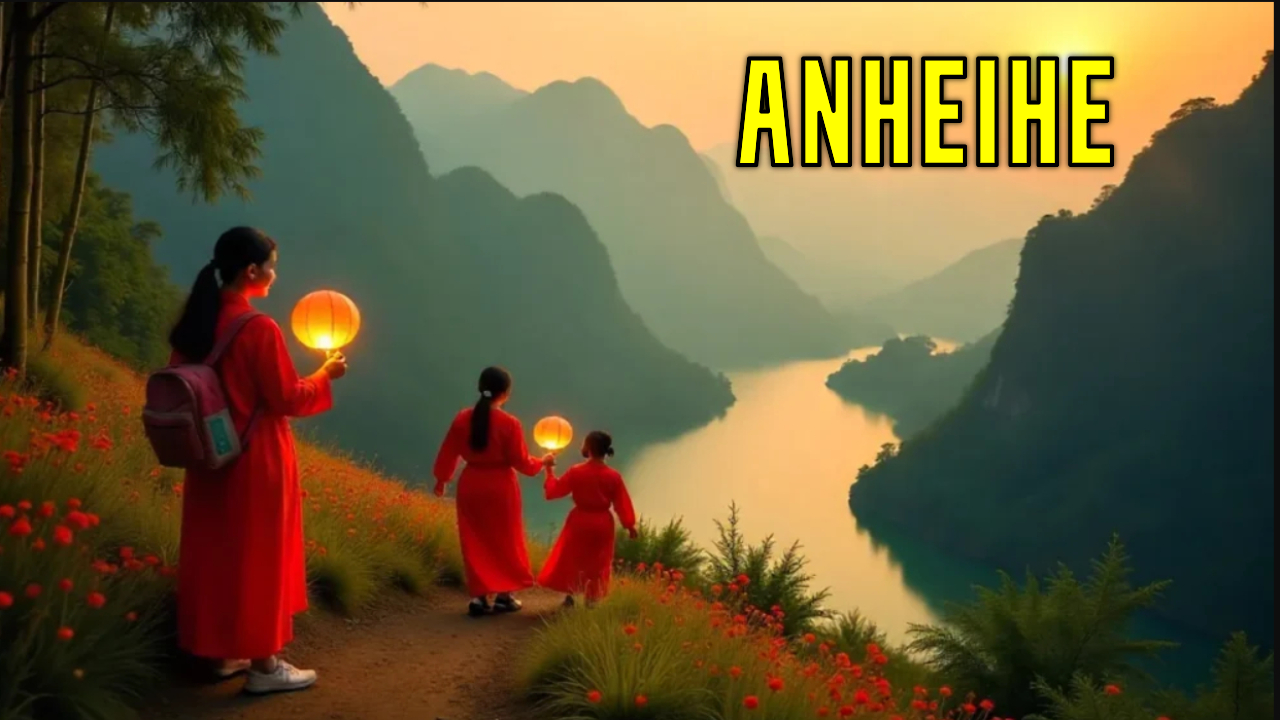
Anheihe is a place that remains largely unknown to many, but for those who understand its significance, it holds a special place in the heart. Tucked away between rugged mountain ranges and surrounded by thick forests, this remote land has remained untouched by modern development. Anheihe offers something far rarer than towering skyscrapers or busy highways; it provides a true connection to the earth and a spiritual richness that is often lost in today’s fast-paced world. This land represents an experience that transcends physical geography, inviting visitors to reconnect with nature and community.
Unlike many urbanized destinations, Anheihe tells stories through its existence. Its history, culture, and geography have shaped it into a place that stays deeply connected to its roots while embracing the wisdom of the past.
The Origins and Historical Significance of Anheihe
The history of Anheihe is wrapped in mystery and legend, passed down through generations. Ancient stories and manuscripts describe a divine migration led by a celestial star that guided a nomadic tribe to this hidden valley. This migration is at the heart of the founding myth of Anheihe.
The Founding Myth of Anheihe
According to the myth, a star pulsed with light and music, visible only to those who could listen with their hearts. The star guided the ancestors of Anheihe through difficult terrains and countless struggles, leading them to the lush valley that would become their sanctuary. Surrounded by natural fortresses, the people of Anheihe swore to live in harmony with the earth that had sheltered them. This myth reflects the deep connection between the people of Anheihe and their land, emphasizing unity, resilience, and reverence for nature.
Political Shifts and Anheihe’s Resilience
Though Anheihe remained largely secluded, it was not entirely immune to outside influences. Between the 11th and 14th centuries, explorers and traders discovered this remote land. However, despite numerous attempts to conquer or influence the region, the people of Anheihe stood resilient. Their unity, supported by the land’s natural defenses, ensured that outside forces never succeeded in taking control. Although they encountered foreign influences, the people of Anheihe retained their unique cultural identity, incorporating valuable knowledge from outsiders while staying true to their traditions.
Anheihe’s Role in Modern History
In the 20th century, neighboring governments recognized Anheihe’s significance and declared it a protected spiritual and ecological sanctuary. Scholars began studying its language, culture, and sustainable practices, although the people of Anheihe remained cautious about mass tourism and the impact of modern technology. Rather than opening its doors to outsiders in a conventional way, Anheihe chose to share its wisdom through storytelling, pilgrimage, and limited cultural exchanges, preserving its authenticity while offering valuable lessons.
Anheihe’s Geography: A Land of Mystique and Beauty
The geography of Anheihe enhances its charm and sense of mysticism. Satellite images can only provide a glimpse of the land’s true beauty, with many of its secrets still hidden in its mountains and rivers.
The Unique Terrain of Anheihe
The towering Heilun Mountains that surround Anheihe are not merely physical barriers; they are believed to be spiritual guardians. These mountains protect the peace of the valley and are home to rare and exotic creatures like the cloud lynx and sky deer, which are considered extinct in other parts of the world. The mountains add an element of mystique to Anheihe, making it a coveted destination for those seeking solace and serenity in nature.
River Systems and Sacred Lakes
The River Hanyue, often called the “Silver Thread,” is the lifeblood of Anheihe. It winds its way through the heart of the valley, feeding into Lake Lianhua, a sacred body of water that is said to reflect not only one’s image but also one’s soul. Bathing in the waters of Lake Lianhua is an essential rite of passage in Anheihe, marking the transition from childhood to adulthood and connecting individuals to the land’s spiritual essence.
The Climate of Anheihe
The climate in Anheihe plays a significant role in shaping its cultural and natural environment. The valley experiences distinct seasonal changes. In spring, vibrant violet blossoms blanket the meadows, while autumn transforms the forests into a golden sea, symbolizing abundance and change. Winters in Anheihe are harsh but revered, seen as a time for introspection and bonding. Summer is short but marked by festivals and feasts, bringing the community together in celebration.
The Unique Culture of Anheihe
Anheihe’s true essence lies in its people and their way of life. Known for their wisdom, kindness, and deep connection to nature, the inhabitants of Anheihe live by the philosophy of “Shuimeng,” which translates to “living like water.” This philosophy emphasizes adaptability, nourishment, and the importance of community.
Festivals and Rituals
Festivals in Anheihe are an integral part of its culture. The Moonlight Ceremony is a well-known event where villagers send floating lanterns down the river, each carrying a dream or memory. Another important ritual is the Harvest Fire Dance, a celebration of abundance with music, dance, and storytelling around sacred fires. These festivals are not just cultural practices, they embody the spiritual connection the people have with their land.
The Music and Art of Anheihe
The music and art of Anheihe are deeply symbolic, representing the cycles of life and the harmony between humans and nature. The language of Anheihe is melodic and fluid, with a strong emphasis on tone and rhythm. Music is often played using bamboo flutes and skin drums, and the art is characterized by symbolic shapes like circles and spirals, which represent balance and cosmic energy.
Daily Life in Anheihe
Daily life in Anheihe is shaped by nature’s rhythms. The day begins with communal work, whether in the fields or crafting artisanal goods, and ends with shared meals and oral storytelling. Elders are respected as the keepers of memory, while children are raised collectively by the community, embodying the belief that every soul belongs to everyone.
The Challenges and Future of Anheihe
As global interest in Anheihe’s culture and traditions grows, the region faces both recognition and risks. While this recognition brings respect, it also poses challenges such as exploitation, environmental degradation, and the potential dilution of culture. Some factions within Anheihe advocate for limited cultural exchanges to preserve the sanctity of the land, while others fear that even respectful tourism could bring irreversible changes.
Balancing Preservation with Progress
The future of Anheihe will depend on its ability to balance the preservation of its traditions with the influence of the outside world. It must navigate global recognition while maintaining the harmony between its ancient ways and modern progress. The goal will be to share its wisdom with the world while safeguarding its core values and natural beauty.
Final Thoughts: Anheihe’s Enduring Message
Anheihe is more than just a place; it is a reminder of a way of life that many in the modern world have lost. In a society that increasingly prioritizes speed and progress, Anheihe’s message of harmony, spirituality, and connection to the earth stands as a beacon for those seeking balance. Whether you visit Anheihe or simply learn about it, its message resonates universally: true progress must be rooted in respect for the natural world and the wisdom of those who have come before us.
About the Author