Every year, millions of vehicles across the UK undergo the MOT test, yet a significant number fail on their first attempt. For many drivers, an MOT failure can be frustrating, costly, and inconvenient, especially when the reasons are preventable. Professional mechanics agree that most MOT failures are not due to major mechanical breakdowns but rather to small, overlooked issues that accumulate over time.
Understanding why cars fail their MOT can help drivers prepare better, reduce repair costs, and keep their vehicles safe and roadworthy. In this guide, we break down the top reasons cars fail their MOT, backed by insights from experienced mechanics, and explain how regular maintenance can help you avoid common pitfalls.
Why MOT Failures Are Often Preventable?
The MOT test is designed to ensure vehicles meet minimum safety and environmental standards. It does not assess overall vehicle condition or reliability, only whether key components are safe and compliant on the day of testing.
According to professional mechanics, many failures occur because drivers:
- Delay routine maintenance
- Ignore dashboard warning lights
- Overlook wear-and-tear components
- Assume small issues are “not serious enough”
With basic checks and timely servicing, a large percentage of MOT failures can be avoided altogether.
1. Faulty Lights and Electrical Issues
Faulty lights consistently rank among the top causes of MOT failures. Even a single blown bulb can cause a failure.
Common lighting issues include:
- Brake lights not working
- Headlights misaligned or too dim
- Indicators flashing incorrectly
- Number plate lights not functioning
- Fog lights stuck on or not working
Mechanics often note that drivers rarely check their lights unless something looks obviously wrong. However, MOT standards require all lights to function correctly and be properly aligned.
Professional insight:
A simple walk-around light check once a month can prevent one of the most avoidable MOT failures.
2. Tyres: Condition, Tread Depth, and Pressure
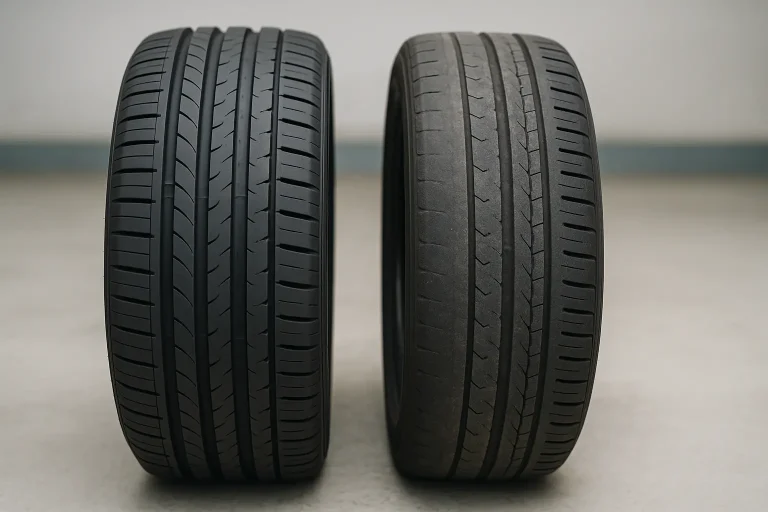
Tyres play a critical role in vehicle safety, and MOT testers examine them closely. Cars can fail if just one tyre does not meet legal requirements.
Key tyre-related failure reasons include:
- Tread depth below the legal minimum of 1.6mm
- Uneven or excessive wear
- Sidewall damage, bulges, or cuts
- Incorrect tyre sizes fitted
- Underinflated or overinflated tyres
Professional mechanics regularly highlight that tyre problems are among the easiest to prevent with regular inspections. Service providers such as Gforce Tyres often advise drivers to check tread depth, pressure, and tyre condition well before their MOT date to avoid unexpected failures.
3. Brake System Problems
Brakes are one of the most important systems assessed during an MOT. Even minor issues can lead to a failure if braking efficiency or component condition falls below the required standard.
Common brake-related MOT failures include:
- Worn brake pads or discs
- Brake imbalance between wheels
- Handbrake inefficiency
- Brake warning light illuminated
- Brake fluid leaks
Mechanics note that brake wear often goes unnoticed by drivers until performance is significantly reduced. Grinding noises, squealing, or a soft brake pedal are early warning signs that should never be ignored.
4. Suspension and Steering Issues
Suspension and steering components naturally wear over time, especially on vehicles driven on rough roads or over speed bumps regularly.
Typical MOT failure points include:
- Worn shock absorbers
- Broken or weakened springs
- Excessive play in steering components
- Damaged ball joints or bushes
These issues not only affect MOT results but also compromise vehicle handling and tyre wear. Professional mechanics recommend addressing suspension noises, vibrations, or poor road handling as early as possible.
5. Exhaust System and Emissions Failures
Emissions testing is a crucial part of the MOT, particularly for diesel vehicles. Failures in this category are becoming increasingly common due to stricter environmental standards.
Common exhaust and emissions issues include:
- Exhaust leaks
- Excessive smoke emissions
- Faulty oxygen sensors
- Diesel Particulate Filter (DPF) blockages
- Catalytic converter failure
Short journeys and infrequent motorway driving are known contributors to DPF problems. Mechanics often advise regular longer drives to help regenerate the DPF and maintain emissions compliance.
6. Warning Lights on the Dashboard
Modern vehicles rely heavily on electronic systems. If certain warning lights are illuminated at the time of testing, the car will fail automatically.
Warning lights that commonly cause MOT failures include:
- Engine management light
- ABS warning light
- Airbag (SRS) light
- Brake system warning light
Professional mechanics stress that dashboard warning lights should never be ignored. Even if the car “feels fine,” these lights indicate underlying faults that must be diagnosed and resolved before the MOT.
7. Windscreen, Wipers, and Visibility Issues
Clear visibility is essential for safe driving, which is why MOT testers closely inspect windscreens and wiper systems.
Common visibility-related failures include:
- Cracks or chips in the driver’s line of sight
- Worn or ineffective wiper blades
- Washer jets not working
- Low or empty washer fluid
Mechanics frequently point out that replacing wiper blades and topping up washer fluid are simple, low-cost fixes that drivers often overlook until test day.
8. Seatbelts and Interior Safety Features
Seatbelts must be fully functional and secure. Interior safety checks are quick but strict.
Reasons for failure include:
- Frayed or damaged seatbelts
- Seatbelts not retracting properly
- Faulty seatbelt warning lights
- Loose or insecure seats
Even if seatbelts are rarely used in certain seats, they must still meet MOT safety standards.
9. Number Plates and Vehicle Identity Issues
Number plates must meet legal requirements for visibility and formatting.
Common issues include:
- Incorrect font or spacing
- Cracked or damaged plates
- Plates obscured by dirt or accessories
- Missing or mismatched plates
Professional mechanics advise ensuring plates are clean, secure, and compliant before the test.
10. Fluid Leaks and General Condition
Leaks from the engine, gearbox, or braking system can result in an MOT failure if they are excessive or pose a safety risk.
Typical causes include:
- Oil leaks
- Coolant leaks
- Brake fluid leaks
- Power steering fluid leaks
While minor misting may pass, visible dripping or pooling underneath the vehicle will not.
How Professional Servicing Helps Prevent MOT Failures
Regular servicing plays a vital role in identifying issues early. Experienced technicians can spot worn components, failing tyres, and developing faults long before they cause an MOT failure.
Many drivers choose specialist service providers such as Gforce Tyres not only for tyre replacement but also for inspections, wheel balancing, brake checks, and general road safety assessments. Addressing these areas in advance often means fewer surprises on MOT day.
Pre-MOT Checks: What Mechanics Recommend
Before booking your MOT, professional mechanics suggest checking:
- All exterior and interior lights
- Tyre tread depth and pressure
- Brake performance and handbrake
- Windscreen condition and wipers
- Dashboard warning lights
- Fluid levels
These simple steps can dramatically improve your chances of passing on the first attempt.
Final Thoughts
MOT failures are rarely random. In most cases, they are the result of minor, preventable issues that have been ignored over time. Insights from professional mechanics consistently show that tyres, brakes, lights, and warning indicators are the biggest culprits.
By staying proactive with maintenance, addressing early warning signs, and relying on experienced automotive specialists when needed, drivers can avoid unnecessary MOT failures, reduce repair costs, and stay safer on the road. A little preparation goes a long way toward a stress-free MOT experience.
About the Author