When drivers think about MOT failures, they often blame major mechanical faults, warning lights, or engine issues. However, year after year, tyres remain one of the most common reasons vehicles fail their MOT in the UK. Despite being the only point of contact between your car and the road, tyres are often overlooked until they cause a problem.
This guide explains why tyres play such a critical role in MOT results, how they are assessed during the test, and what UK drivers can do to avoid unnecessary failures.
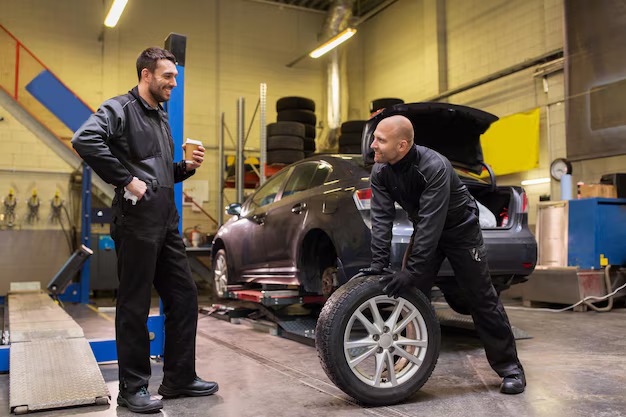
Why Tyres Matter More Than Almost Any Other Component?
Your tyres affect nearly every aspect of driving, including:
- Braking distance
- Steering control
- Road grip
- Fuel efficiency
- Suspension performance
Even if your engine is running perfectly, worn or damaged tyres can make your vehicle unsafe and illegal to drive. That’s why MOT testers pay close attention to tyre condition.
Tyres are considered a primary safety component, not a minor detail.
Tyres and the MOT Test: What Is Checked?
During an MOT, testers inspect tyres on all four wheels (including the spare, if fitted). The inspection focuses on several key areas:
1. Tread Depth
UK law requires:
- Minimum tread depth of 1.6mm
- Across the central three-quarters of the tyre
- Around the entire circumference
Anything below this limit is an instant MOT failure.
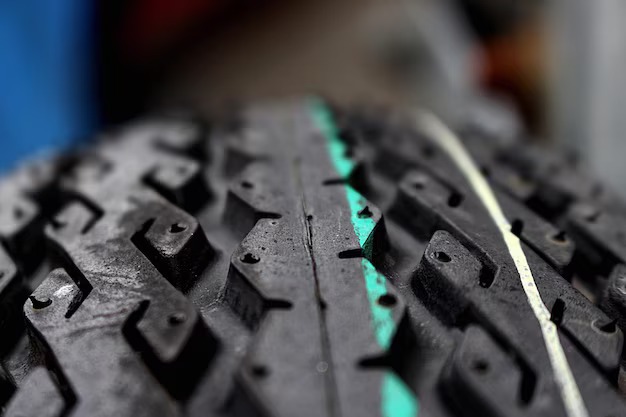
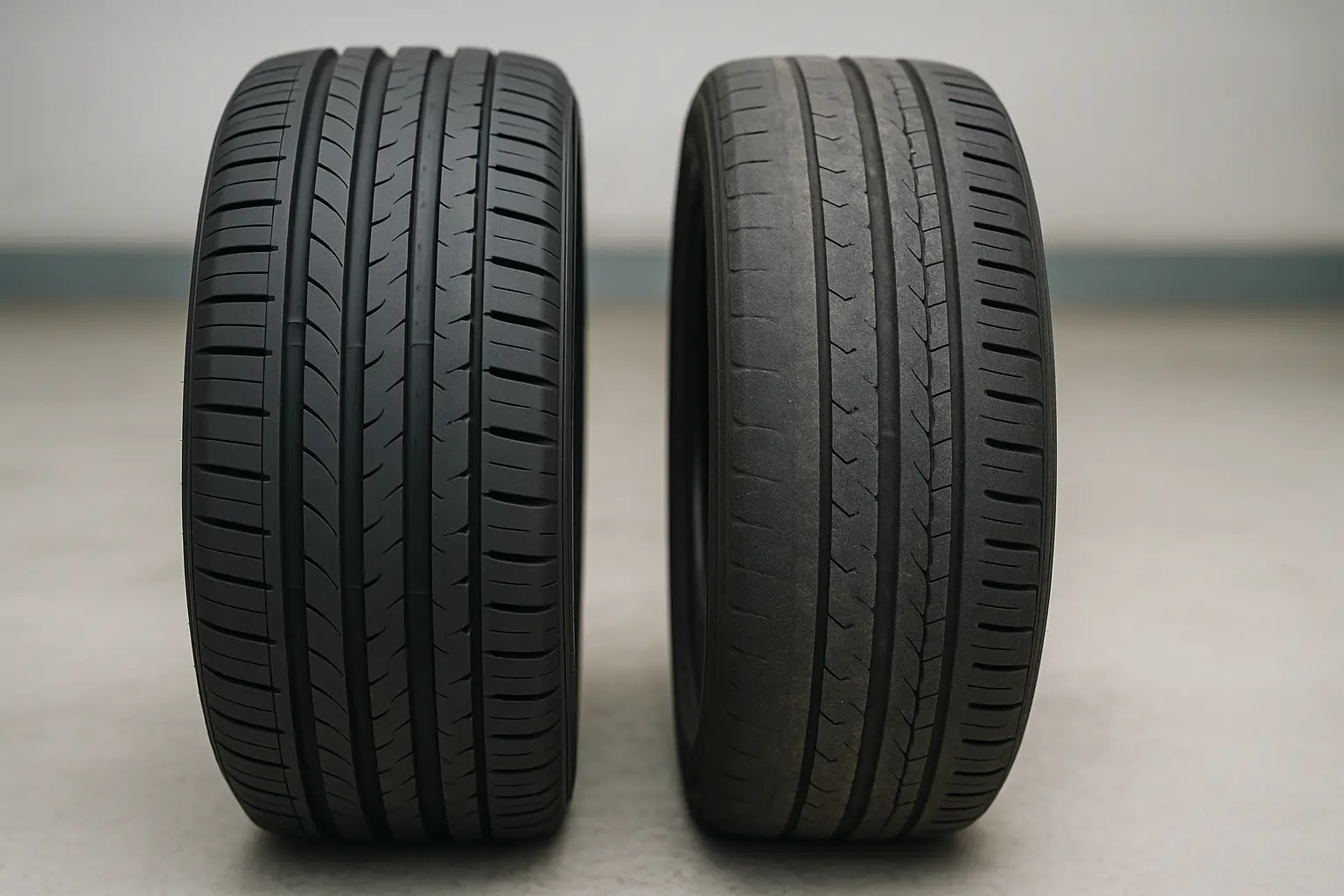
Many drivers assume tyres are legal as long as they “look okay,” but tread can wear unevenly or fall below the legal limit in specific areas.
2. Tyre Condition and Damage
Even if tread depth is legal, tyres can still fail due to:
- Cuts or cracks in the sidewall
- Bulges or lumps (internal damage)
- Exposed cords
- Severe cracking caused by age
Sidewall damage is particularly dangerous and is an automatic MOT fail.
3. Tyre Size and Type
All tyres fitted must:
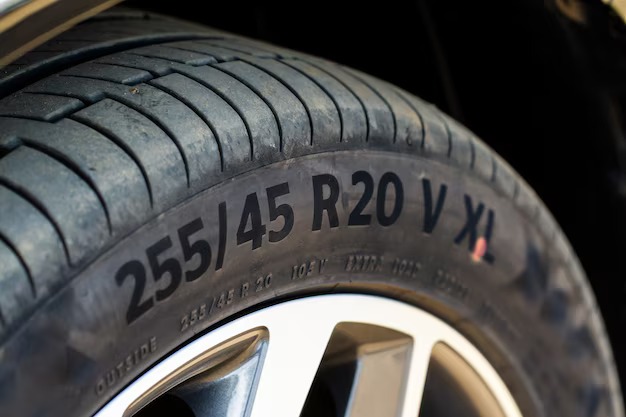
- Match the manufacturer’s recommended size
- Be suitable for the vehicle and axle
- Not mix incompatible tyre types
For example:
- Mixing different construction types (radial vs cross-ply) on the same axle can fail
- Incorrect load or speed ratings may also cause issues
4. Tyre Pressure (Indirectly)
While MOT testers don’t measure tyre pressure directly, under-inflated tyres often show signs of damage, deformation, or uneven wear, all of which can lead to failure.
Common Tyre-Related MOT Failure Reasons
Many tyre MOT failures come down to issues drivers didn’t notice or underestimated:
- Driving “just a little longer” on worn tyres
- Assuming only front tyres matter
- Ignoring slow punctures
- Forgetting to check inner tyre edges
- Using budget tyres incorrectly rated for the vehicle
These problems often build up quietly and are only discovered on MOT day.
Why Tyre Wear Isn’t Always Obvious?
One of the biggest reasons tyres fail MOTs is uneven or hidden wear.
- Inner Edge Wear
Common on vehicles with poor wheel alignment or worn suspension components. From the outside, tyres may look legal, but the inner edge can be below 1.6mm.
- Centre Wear
Often caused by over-inflation, leading to reduced grip and early failure.
- Shoulder Wear
Typically caused by under-inflation or aggressive cornering.
Regular visual checks alone aren’t enough, tyres should be inspected properly.
How Tyres Affect Braking and MOT Performance
Tyres directly influence braking efficiency, which is also assessed during the MOT.
Worn tyres:
- Increase stopping distance
- Reduce grip on wet roads
- Cause instability during emergency braking
Even if your brakes are mechanically sound, poor tyres can still compromise braking performance, raising safety concerns.
Wet Weather, UK Roads, and MOT Failures
UK driving conditions make tyre condition even more critical:

- Frequent rain
- Cold temperatures
- Potholes and uneven road surfaces
Worn or damaged tyres are far more likely to:
- Lose grip in wet conditions
- Aquaplane
- Fail sudden braking tests
This is one reason tyre checks are treated so seriously during MOT inspections.
Ageing Tyres: A Hidden MOT Risk
Tyres don’t just wear out, they age.
Even with good tread depth, older tyres may:
- Develop cracks in the rubber
- Harden and lose flexibility
- Offer reduced grip
Many drivers are unaware that tyres over 5–6 years old can still fail an MOT due to deterioration, even if mileage is low.
The Cost of Ignoring Tyres Before an MOT
Failing an MOT due to tyres can result in:
- Retest fees
- Emergency tyre replacements at higher cost
- Inconvenience and lost time
- Potential fines if driven illegally
A simple tyre inspection before booking an MOT test in Fleet can prevent all of this, helping drivers avoid retest fees, last-minute tyre replacements, and unnecessary delays.
Pre-MOT Tyre Checks Every Driver Should Do
Before booking your MOT, take a few minutes to check:
- Tread depth using a gauge or 20p coin
- Sidewalls for cuts, bulges, or cracks
- Tyres are correctly inflated
- Matching tyre sizes on each axle
- No visible cords or exposed steel
These quick checks can dramatically reduce the risk of failure.
Professional Tyre & MOT Preparation at TJ Service Fleets
For drivers and fleet operators seeking peace of mind before their MOT, TJ Service Fleets offers professional tyre inspections and MOT preparation services.
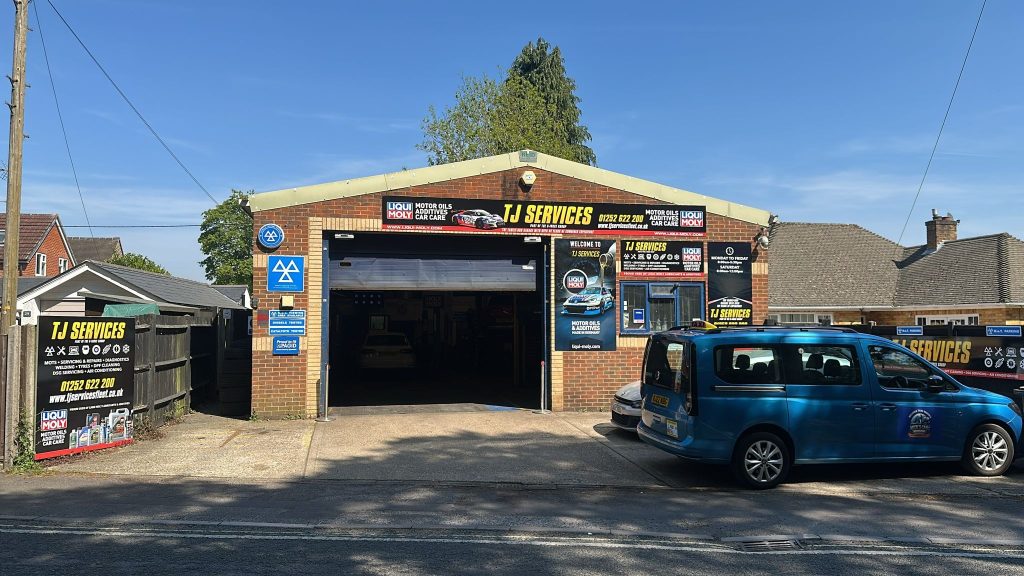
Services Offered by TJ Service Fleets:
- Pre-MOT tyre inspections
- Tyre replacements and fitting
- Wheel alignment checks
- Suspension and steering inspections
- Full MOT preparation services
- Ongoing fleet maintenance solutions
With experienced technicians and a focus on safety and compliance, TJ Service Fleets helps reduce MOT failures caused by tyres, saving time, money, and unnecessary stress.
Why Tyres Matter Even More for Fleet Vehicles?
Fleet vehicles often cover high mileage, making tyres one of the most heavily worn components.
Poor tyre management can lead to:
- Frequent MOT failures
- Increased downtime
- Higher fuel costs
- Greater safety risks
Regular tyre checks and scheduled maintenance are essential for keeping fleet vehicles road-legal and operational.
Tyres, Fuel Efficiency, and Emissions
Although tyres aren’t directly tested for emissions, worn or incorrectly inflated tyres can:
- Increase rolling resistance
- Reduce fuel efficiency
- Place additional strain on the engine
Over time, this can indirectly affect emissions and overall vehicle performance.
Legal Consequences of Driving on Illegal Tyres
Driving on tyres below the legal tread limit can result in:
- £2,500 fine per tyre
- 3 penalty points per tyre
- Invalidated insurance
Failing an MOT due to tyres is often the warning sign before more serious consequences occur.
Final Thoughts
Tyres play a far bigger role in MOT results than most drivers realise. As a primary safety component, they are carefully inspected for tread depth, condition, size, and suitability. Many MOT failures could be avoided with simple checks and timely maintenance.
Understanding how tyres affect braking, handling, and road safety allows drivers to stay compliant, reduce costs, and avoid unnecessary MOT stress. With professional tyre inspections and MOT preparation from trusted specialists like TJ Service Fleets, keeping your vehicle road-legal and safe becomes far easier.
Drivers can also get directions to the TJ Service Fleets for MOT preparation and tyre inspections before their test.
About the Author