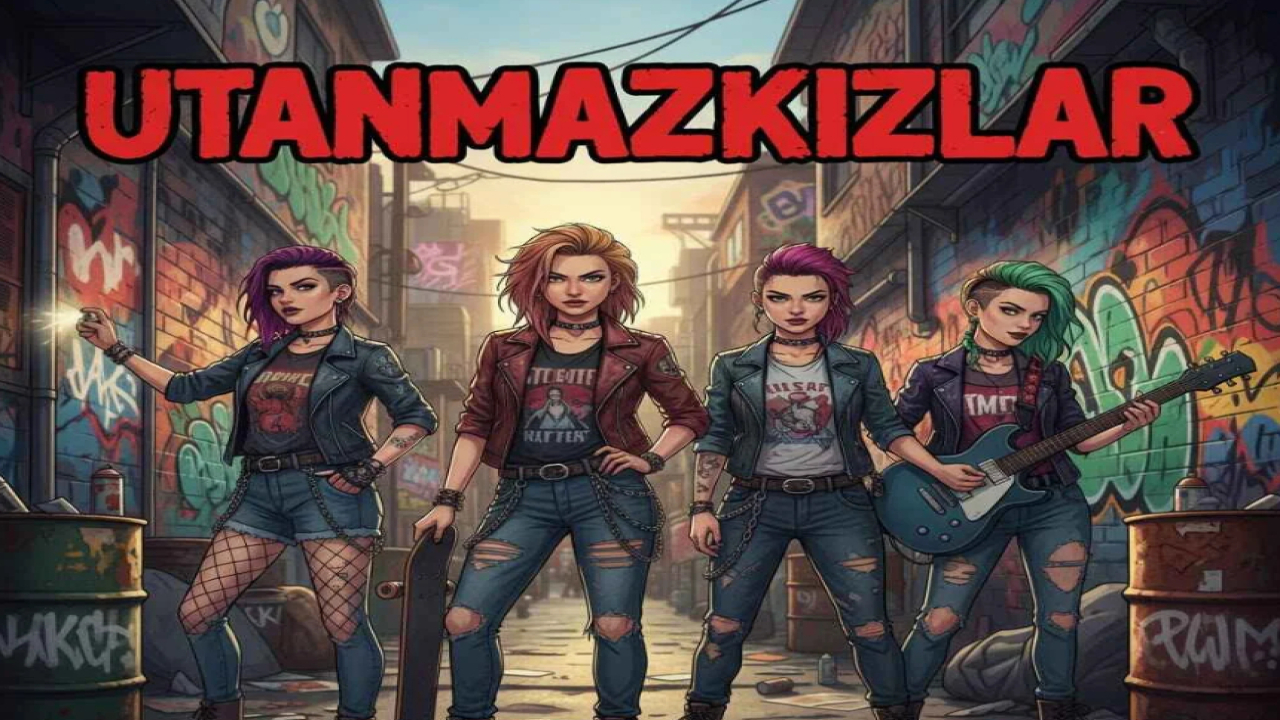
utanmazkzılar
Stereotypes are pervasive forces in society that often limit our understanding of others. They reduce complex individuals to simple labels, shaping perceptions and reinforcing assumptions that affect our interactions with one another. However, in a world that is increasingly advocating for acceptance and diversity, a movement like Utanmazkzılar is challenging these conventional views and striving to break free from the restrictions that stereotypes impose. This article delves into how Utanmazkzılar is reshaping societal norms, encouraging openness about identity, and fostering a culture of acceptance.
What is Utanmazkzılar?
Utanmazkzılar is a powerful movement aimed at challenging the stereotypes that often define how individuals are expected to behave or present themselves. The core of this movement revolves around embracing authenticity, vulnerability, and self-acceptance. It encourages individuals to live freely and boldly, without being constrained by societal norms that dictate what is “acceptable” behavior or appearance.
This movement is about breaking away from judgment and celebrating one’s true identity. People who are part of Utanmazkzılar share their stories and experiences openly, creating a space where honesty and vulnerability are not only accepted but celebrated. Rather than hiding behind societal expectations, members of the movement come together to promote understanding and acceptance of diverse identities and experiences.
Utanmazkzılar focuses on the importance of fostering a sense of community where differences are seen as strengths. The initiative calls for a society that values authenticity, promotes inclusivity, and dismantles the barriers created by stereotypes.
The Harmful Effects of Stereotypes on Society
Stereotypes can create significant barriers in society, affecting everything from personal relationships to professional interactions. These preconceived notions often lead to discrimination, limiting opportunities for those who don’t fit into established molds. Here are some of the key ways stereotypes negatively impact society:
Personal and Social Barriers
Stereotypes can limit the potential of individuals by forcing them to conform to social expectations that do not align with their true selves. The pressure to meet these narrow standards can be mentally exhausting and isolating, causing anxiety and feelings of inadequacy. In many cases, people hide their true identities, leading to a lack of fulfillment and self-expression.
Workplace Discrimination
In the workplace, stereotypes play a significant role in decision-making. Assumptions based on race, gender, age, or other factors can influence hiring practices, promotions, and daily interactions. Talent and potential are often overlooked because of these biases, preventing people from reaching their fullest potential.
Mental Health and Well-Being
Living with the weight of stereotypes can have a detrimental effect on mental health. The fear of being judged based on assumptions rather than true character can lower self-esteem and increase stress levels. Constantly battling societal expectations diminishes one’s sense of self-worth, leading to a decrease in overall well-being.
By confronting stereotypes and promoting a more inclusive mindset, Utanmazkzılar seeks to break down these barriers, creating a society where everyone can thrive without fear of judgment.
Overview of the Utanmazkzılar Movement and Its Goals
At its heart, Utanmazkzılar is about creating spaces where individuals can express their true selves without fear of discrimination. It is a movement that encourages people to embrace their authentic identities, free from the constraints of societal expectations.
The primary goal of Utanmazkzılar is to empower individuals to challenge negative stereotypes and build a culture of acceptance. By fostering dialogue and raising awareness, the movement aims to redefine norms around identity, expression, and belonging. Some of the key goals include:
- Empowerment through Self-Acceptance: Members are encouraged to embrace their true selves and share their unique experiences.
- Creating Safe Spaces: The movement provides platforms for individuals to express their feelings, thoughts, and concerns in a judgment-free environment.
- Promoting Education and Awareness: Through workshops, campaigns, and discussions, Utanmazkzılar seeks to educate others about the dangers of stereotypes and the importance of inclusivity.
- Building a Community of Support: By sharing stories and celebrating differences, Utanmazkzılar fosters a sense of belonging among its members, making it easier for them to connect with others who share similar experiences.
By challenging stereotypes and promoting inclusivity, the Utanmazkzılar movement aims to create a more open-minded society that values diversity and authenticity.
Examples of Common Stereotypes in Modern Society
Stereotypes are deeply ingrained in modern culture, often influencing our perceptions of others without us even realizing it. Here are some common stereotypes that continue to shape the way we view people:
Gender Stereotypes
One of the most widespread stereotypes is the belief that women are less capable in certain fields, particularly science, technology, engineering, and math (STEM). This stereotype discourages many women from pursuing careers in these areas, even though they have the same potential and capabilities as men.
Generational Stereotypes
Millennials are often labeled as lazy, entitled, or unmotivated. This stereotype unfairly overlooks the resilience, creativity, and adaptability demonstrated by this generation in an ever-changing world.
Racial and Ethnic Stereotypes
People from different racial or ethnic backgrounds often face stereotypes based on preconceived notions of their abilities, behavior, or values. These assumptions can lead to discrimination in the workplace, in schools, and in everyday interactions.
Body Image Stereotypes
Society often equates worth with physical appearance, creating unrealistic beauty standards. This stereotype causes many people to feel inadequate and pressured to conform to specific body types, impacting their self-esteem.
By challenging these harmful stereotypes, Utanmazkzılar seeks to foster a deeper understanding of the diverse experiences that make up society.
How the Utanmazkzılar Movement is Challenging and Breaking Down These Stereotypes
Utanmazkzılar is actively working to dismantle stereotypes by promoting authenticity, self-expression, and understanding. The movement uses a variety of tools to challenge conventional ideas and encourage open dialogue:
Campaigns and Social Media Initiatives
Utanmazkzılar has taken to social media to raise awareness and spark conversations about the importance of acceptance. Through hashtags, shared stories, and visual content, the movement challenges stereotypes and amplifies the voices of those who have been marginalized.
Workshops and Safe Spaces for Dialogue
The movement organizes workshops and gatherings where people can discuss their experiences and learn how to combat prejudice. These safe spaces provide an opportunity to share personal stories, ask questions, and connect with others who are committed to making a positive change.
Creative Expression Through Art
Art plays a significant role in the Utanmazkzılar movement. Many members use art to express their experiences and challenge the stereotypes they face. Whether through visual art, music, or performance, these creative expressions serve as powerful tools for challenging societal norms and inspiring change.
Sharing Personal Stories
By sharing personal experiences, Utanmazkzılar members expose the harmful effects of stereotypes and highlight the importance of embracing individuality. These stories help others understand the struggles people face and encourage empathy and compassion.
Personal Stories and Experiences from Members of the Utanmazkzılar Community
The strength of Utanmazkzılar lies in its members and the stories they share. Here are a few personal experiences that highlight the transformative power of the movement:
Amira’s Journey of Self-Acceptance
Amira grew up in a conservative environment, where her identity was often shaped by societal expectations. She felt confined by the need to conform and suppress her true self. Joining Utanmazkzılar allowed Amira to embrace her identity fully, and she now shares her journey to inspire others to do the same.
Samir’s Artistic Expression
Samir found a way to channel his experiences with stigma and discrimination through art. His illustrations challenge stereotypes and provide a platform for marginalized voices. Through his art, Samir encourages others to break free from societal constraints and embrace their uniqueness.
Nadia’s Sense of Belonging
Nadia recalls her first experience at an Utanmazkzılar gathering, where vulnerability was celebrated. She felt a sense of belonging and camaraderie that she had never experienced before. Nadia’s story highlights the importance of finding a community that accepts and values you for who you truly are.
The Importance of Inclusivity and Acceptance in Creating a More Diverse Society
Creating a more inclusive society requires actively working to break down barriers and challenge stereotypes. When individuals from all backgrounds and identities are welcomed, society as a whole benefits. Here are a few reasons why inclusivity and acceptance are essential:
Fostering Creativity and Innovation
A diverse society is a more innovative one. When individuals with different backgrounds and experiences collaborate, they bring new perspectives that can lead to creative solutions. Inclusivity fosters an environment where people can freely express themselves, contributing to a more dynamic and forward-thinking society.
Building Stronger Communities
Inclusivity strengthens communities by creating spaces where everyone feels valued. When people can be themselves without fear of judgment, they are more likely to contribute to the greater good, leading to a more cohesive and supportive society.
Promoting Understanding
Inclusivity promotes understanding by encouraging dialogue and empathy. By engaging with people from diverse backgrounds, we learn to appreciate our differences and recognize the shared humanity that unites us all.
Conclusion
Utanmazkzılar is more than just a movement it is a call to action. By challenging the stereotypes that have long shaped our perceptions of one another, Utanmazkzılar is paving the way for a more inclusive, accepting, and understanding society. Through authenticity, vulnerability, and self-acceptance, the movement empowers individuals to break free from societal constraints and embrace their true selves.
As more people join the fight against stereotypes, the world moves closer to a future where everyone’s identity is celebrated. By promoting inclusivity and empathy, Utanmazkzılar is helping to create a society where diversity is valued, and every voice is heard.
FAQs
1. What is the purpose of the Utanmazkzılar movement?
Utanmazkzılar seeks to break down societal stereotypes by promoting authenticity, self-acceptance, and inclusivity. It aims to create a world where everyone can express themselves freely without fear of judgment.
2. How does Utanmazkzılar challenge stereotypes?
The movement challenges stereotypes through social media campaigns, workshops, personal stories, and creative expression. It encourages dialogue and fosters empathy to dismantle harmful perceptions.
3. Why is inclusivity important in society?
Inclusivity fosters creativity, builds stronger communities, and promotes understanding among diverse groups. It encourages people to express themselves authentically and contributes to societal progress.
4. How can I get involved in Utanmazkzılar?
You can get involved by joining online campaigns, attending workshops, sharing your story, and supporting the movement’s initiatives aimed at challenging stereotypes and promoting acceptance.
5. What impact does Utanmazkzılar have on individuals?
Utanmazkzılar empowers individuals to embrace their true selves, providing a sense of belonging and community. It encourages personal growth, self-acceptance, and a deeper understanding of others.
About the Author